
How To Find The Best Dog Trainer Instructor In The US
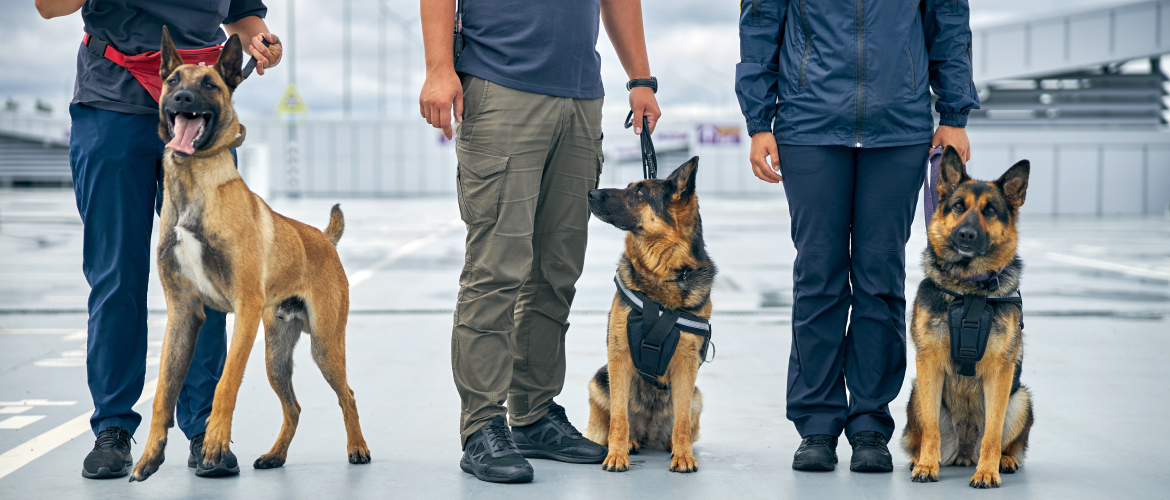
How To Find The Best Dog Trainer Instructor In The US
Finding an exceptional dog trainer instructor is one of the most important decisions you will make for your dog and for your household. The right instructor does more than teach cues like sit, stay, and come. They shape your dog’s behavior, confidence, and emotional stability, and they shape your own handling skills so you can communicate clearly and consistently. The wrong instructor can waste months, create confusion, increase reactivity, or unintentionally reinforce the very behaviors you are trying to fix. Because the dog training industry in the United States is not uniformly licensed or regulated, quality can vary dramatically. That reality can feel overwhelming, but it also means you can learn how to evaluate instructors the way an expert would and select someone safe, competent, and effective.
This guide will walk you through exactly how to identify the best dog trainer instructor in the US for your goals, your dog’s temperament, and your lifestyle. You will learn what “best” actually means in dog training, which credentials and frameworks matter, how to verify real-world results, what red flags to avoid, what questions to ask during a consultation, and how to compare trainers in a way that protects your dog and your investment. If you approach the search systematically, you can confidently hire a professional who delivers measurable progress while keeping training humane, straightforward, and enjoyable.
Define What “Best” Means For Your Dog And Your Goals
The word “best” is subjective unless you define it in behavioral terms. For a family with a new puppy, “best” might mean an instructor who excels at early socialization, house training, bite inhibition, and foundational obedience. For a household dealing with fear, aggression, or reactivity, “best” might mean an instructor with deep behavior modification experience, excellent safety protocols, and a proven plan for changing emotional responses, not just suppressing symptoms. For service dog candidates, sport dogs, or advanced off-leash reliability, “best” might mean an instructor who understands proofing, reinforcement schedules, distraction work, and how to build precision over time.
Before you contact anyone, clarify the outcomes you want. Write down the top issues you need to solve and the environments where you need your dog to perform. Be specific. Instead of “stop barking,” consider “bark less when someone walks past the front window and settle on a mat within two minutes.” Instead of “good recall,” consider “come when called at the park even when other dogs are playing, while remaining safe and under control.” The more concrete your goals are, the easier it is to evaluate whether an instructor’s approach, experience, and program structure match your real needs.
Also, define your constraints. Consider your schedule, your physical ability to train, your household size, whether children are involved, whether you have frequent visitors, whether you live in an apartment, and your risk tolerance for off-leash training. A trainer might be outstanding, but if their plan requires two hours of fieldwork per day and you can realistically do only twenty minutes, the plan will not hold. The best instructor is not the one with the loudest marketing. It is the one who can build a workable system around your dog and your actual life.
Understand The Difference Between A Dog Trainer And A Dog Trainer Instructor
Many people use the word “trainer” to mean anyone who works with dogs. In practice, you will encounter multiple categories. A dog trainer may focus on teaching skills and obedience behaviors. A dog behavior consultant may focus more on behavior problems and underlying emotions. A dog trainer instructor is often someone who teaches humans as much as dogs, may also mentor other trainers, run instructor-led programs, and design training systems that scale across many cases.
If you are looking for the best dog trainer instructor, prioritize professionals who can explain learning theory, outline a training plan, and coach you with clarity. Instructors are not only capable of training the dog in front of them. They can diagnose why a behavior is happening, identify the reinforcers maintaining it, and teach you how to sustain progress long-term. The “instructor” mindset is critical because your dog’s behavior is heavily dependent on what happens between sessions. A great instructor creates results by upgrading your timing, consistency, boundaries, and reinforcement, not just by working the dog during a lesson.
Look For A Clear Training Philosophy With Humane, Evidence-Based Methods
Dog training is built on learning theory, reinforcement, and behavior science. The best instructors can describe their approach in plain language and can justify it with logic and observable outcomes. You should be able to ask, “How do you change behavior?” and get a coherent answer. For most pet owners, a modern, humane approach based on reinforcement and behavior modification is the safest baseline. That does not mean there is only one “right” toolset. Still, it does mean there should be a strong emphasis on clarity, timing, and creating reliable behavior without intimidation or pain.
One major distinction is whether a trainer focuses on suppressing behaviors or changing the dog’s emotional state. For example, a dog that lunges and barks at other dogs may be fearful or frustrated. A suppression-focused approach may reduce outward barking quickly while leaving the underlying emotion intact. That can look like success until the dog escalates or the suppression fails in a new context. An instructor who understands behavior modification will address distance, triggers, reinforcement, and controlled exposure so the dog’s feelings change over time and the outward behavior fades naturally.
You should also pay attention to whether the trainer teaches you to observe body language and stress signals. The best instructors teach you what relaxation and over-arousal look like, and how to intervene early. They help you prevent problems, not just react to them.
Credentials And Certifications That Can Matter
Because dog training is not standardized across the country, certifications function as one signal, not the only signal; a certification does not guarantee excellence, and a lack of certification does not always mean incompetence. However, reputable credentials can indicate that the instructor has met a defined standard, studied ethics, and maintained current knowledge through continuing education.
Some credentials and organizations you may see include CPDT-KA or CPDT-KSA (Certification Council for Professional Dog Trainers), IAABC (International Association of Animal Behavior Consultants), KPA-CTP (Karen Pryor Academy), and similar professional programs. These can be meaningful when paired with real-world results and strong references. If someone claims a credential, verify it. The best instructors will not be offended by verification. They will respect that you are protecting your dog.
Also, recognize that “years of experience” is not automatically equal to skill. A trainer can repeat the same mistakes for ten years. A better indicator is whether they can demonstrate a structured approach, track progress, and explain how they handle setbacks. Continuing education is a major green flag. Dog training evolves, and the best instructors keep learning.
How To Evaluate Results Without Falling For Marketing
The dog training industry includes outstanding professionals and also aggressive marketing. Your goal is to separate real competence from polished branding. A strong website, a large social media following, and high-energy videos are not proof of results. Instead, focus on evidence.
Look for detailed case examples. Not vague testimonials like “they are amazing,” but descriptions of the problem, the plan, and the outcome. Look for trainers who show process, not just before-and-after clips. A ten-second video of a dog heeling nicely does not tell you what happened to get there, whether the dog is comfortable, or whether the result lasts at home. The best instructors can articulate their process and can show consistency across many different dogs and situations.
Ask about success metrics. How do they measure progress? What does success look like in week two versus week six? What are common obstacles? How often do clients drop out, and why? A professional who tracks outcomes thinks like a practitioner, not a performer.
Also, pay attention to how they talk about dogs. Do they describe dogs as “stubborn,” “dominant,” or “trying to be alpha,” or do they describe observable behaviors, learning history, and motivation? Trainers who lean on outdated dominance narratives often default to confrontation rather than teaching.
Match The Instructor’s Specialty To Your Case
Dog training is a broad field. The best instructor for your neighbor’s easygoing Labrador puppy may not be the best instructor for your fearful, reactive rescue—specialization matters.
If your dog has aggression, severe reactivity, bite history, or intense fear, prioritize instructors who explicitly work with behavior cases, have safety protocols, and can coordinate with a veterinarian when needed. Ask what they do when a dog is over threshold, how they prevent bites, and whether they carry appropriate insurance. Ask whether they recommend a veterinary evaluation to rule out pain or medical contributors when relevant.
If you want competition obedience, protection sports, agility, scent work, or service work, prioritize instructors who actively train in those disciplines. They will understand the nuances of precision, proofing, drive, and distractions. They will also understand how to build clarity without burning out the dog.
If your goal is a reliable family dog, you want an instructor who focuses on practical behavior in real life, not just training in a quiet room. They should teach household manners, place work, leash skills, greeting behavior, and calmness, along with the basics.
The Consultation: Questions That Reveal True Skill
A consultation is where you evaluate expertise, ethics, and fit. You are not only hiring someone to teach your dog. You are hiring someone to coach you. During a consult, the instructor should listen carefully, ask intelligent questions, and form a plan tailored to your dog.
Ask how they would approach your top problem. Listen for a structured answer that includes management, training, and a timeline. Management is about preventing the rehearsal of unwanted behavior. Training is how you teach alternatives. The timeline is a realistic expectation. If someone promises a complete transformation in one session, be cautious. Rapid improvements can happen, but permanent behavior change usually requires repetition, consistency, and gradual proofing.
Ask what a typical session looks like. Do they demonstrate skills and then coach you? Do they assign homework? Do they follow up between sessions? The best instructors treat training like a system and build your competency over time.
Ask how they handle setbacks. Dogs are not machines. Stress, environment, hormones, adolescence, and health can create regression. A good instructor expects this and has a plan in place. They do not blame the dog or shame the owner. They adjust criteria, reinforce basics, and rebuild momentum.
Ask how they handle reinforcement. What do they use as rewards? Food, toys, life rewards, access to sniffing, and access to play. A good instructor understands motivation and can help you build engagement without turning your dog into a frantic treat-seeker. They also teach you how to feed food properly so your dog performs reliably without constant bribery.
Ask what they do if a dog is overwhelmed. Do they stop, create distance, and lower intensity? Or do they push through? A trainer who pushes a stressed dog may get compliance at the cost of trust and long-term stability.
Red Flags You Should Not Ignore
Some red flags are obvious, like harsh handling, intimidation, yelling, or techniques that cause pain or panic. Other red flags are more subtle but equally important.
Be cautious of trainers who refuse to explain their methods. Transparency is part of ethics. Be cautious of trainers who rely on fear-based claims, like “If you do not do this, your dog will dominate you.” Be cautious of trainers who guarantee results without seeing your dog or learning about your situation. Be cautious of trainers who isolate the dog from you for extended “board and train” programs without providing a clear transition plan and hands-on instruction. Board and train can work in some cases, but without owner education, dogs often regress when they return home.
Also, be cautious of trainers who dismiss behavior science and continuing education. Dog training is a skill-based profession. Serious professionals study, test, observe, and refine. Arrogance and rigidity are not assets.
Program Structure: Private Lessons, Group Classes, And Hybrid Plans
The best format depends on your dog and your goals. Group classes are excellent for foundations, social exposure, and controlled distractions, especially for puppies and adolescent dogs. They are also cost-effective. However, group classes are not ideal for severe reactivity or aggression unless the program is specifically designed for it.
Private lessons offer tailored coaching and are often best for behavior issues, household manners, and advanced goals like off-leash reliability. They can also be ideal if you have a busy schedule or unique environmental challenges, like a crowded apartment complex or frequent visitors.
Hybrid programs combine both. A dog might start in private sessions for skill-building and then transition to a group environment to generalize behaviors in the presence of distractions. Many top instructors design phased programs like this because generalization is where most training fails. A dog that can sit perfectly in a living room may struggle outside. The best instructor builds real-world reliability by gradually changing environments and adding complexity.
When comparing programs, ask what is included. How many sessions, how long, what support between sessions, what materials, and what happens after the program ends. A high-quality instructor often provides structured homework, written plans, and follow-up options.
How To Verify Reputation The Right Way
Online reviews can help, but they are not enough on their own. Look for patterns. Consistent mentions of clarity, professionalism, results, safety, and kindness are meaningful. Also, look for how the trainer responds to criticism. A professional response that focuses on resolution is a green flag. Defensive, insulting, or dismissive responses are not.
Ask for references, especially for cases similar to yours. A serious professional can usually provide contact information for past clients who consent to being references or can share anonymized case summaries. If you are dealing with a high-stakes behavior case, this step is worth doing.
If possible, observe a class. Watch the dogs and watch the humans. Are the dogs engaged, relaxed, and able to take breaks? Are owners coached calmly and clearly? Is the environment safe and controlled? You can often learn more in ten minutes of observation than in an hour of sales conversation.
Cost, Value, And What You Should Expect To Pay
Dog training costs vary widely by region, specialization, and program structure. The cheapest option is rarely the best value if it leads to inconsistent results and repeated spending. At the same time, expensive does not automatically mean competent. Focus on the value of a structured plan, quality instruction, safety, and long-term results.
Expect to pay more for behavior modification, one-on-one coaching, and advanced goals. Also, expect to invest time. Even the best instructor cannot override inconsistent practice. A great instructor will help you build a routine that works, but you must still practice.
When comparing costs, compare the scope. A package that includes written plans, ongoing support, and a phased approach may be more valuable than a single session that leaves you guessing.
Local Search Strategy For Finding The Best Instructor Anywhere In The US
If you are searching broadly across the United States, use a layered approach. Start by identifying a short list of reputable trainers in your region, then narrow based on specialization and consult quality.
Search by problem and location. For example, “reactive dog trainer Denver,” “puppy training Chicago,” or “aggression behavior consultant Austin.” Then cross-check with professional directories from recognized credentialing bodies when possible. Add terms like “CPDT,” “IAABC,” or “KPA” to find professionals who maintain education standards, but still evaluate them individually.
Once you have candidates, review their websites for clarity. The best instructors describe their process, their philosophy, and who they are best suited to help. If a website is vague or relies on hype, that is a signal. Then schedule consultations with the top two or three. Do not commit based on one call unless you are highly confident.
Make Sure The Instructor Teaches You, Not Just Your Dog
One of the most overlooked indicators of excellence is whether the instructor can transfer skills to the handler. Many trainers can get a dog to behave in a session. Fewer can teach the owner to recreate that behavior under real-world conditions. The best dog trainer instructors break down timing, reinforcement, leash handling, posture, tone, and criteria so you can repeat results independently.
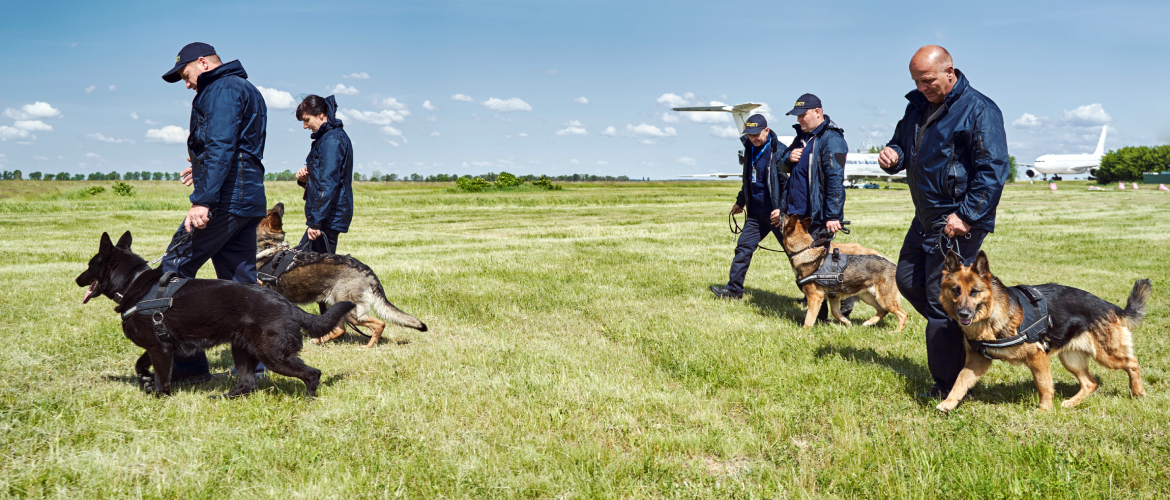
During a session, you should feel coached, not criticized. You should leave with specific homework, clear success criteria, and confidence that you can practice correctly. If you leave confused, the training process will stall.
Great instructors also educate you about the dog’s needs, including enrichment, exercise, and stress reduction. Training does not exist in isolation. A dog that is under-exercised, overstimulated, or anxious may struggle to learn. The best instructors help you build a stable lifestyle that supports training success.
How To Know You Made The Right Choice
Within the first few sessions, you should see clarity. You should understand the plan, see your dog learning, and see meaningful improvement in at least one measurable area, even if the big problems take time. You should also feel safe. If you feel uneasy about handling, pressure, or methods, do not ignore that instinct. Your dog’s trust is precious, and the training relationship should strengthen it rather than erode it.
You should also show professionalism. Sessions start on time. Policies are clear. Communication is respectful. The trainer sets realistic expectations. They do not oversell. They do not shame. They coach.
If you experience a mismatch, it is okay to pivot. Switching instructors early can save months.
