
How To Find The Best Dog Training Academy In Orange County
How To Find The Best Dog Training Academy In Orange County
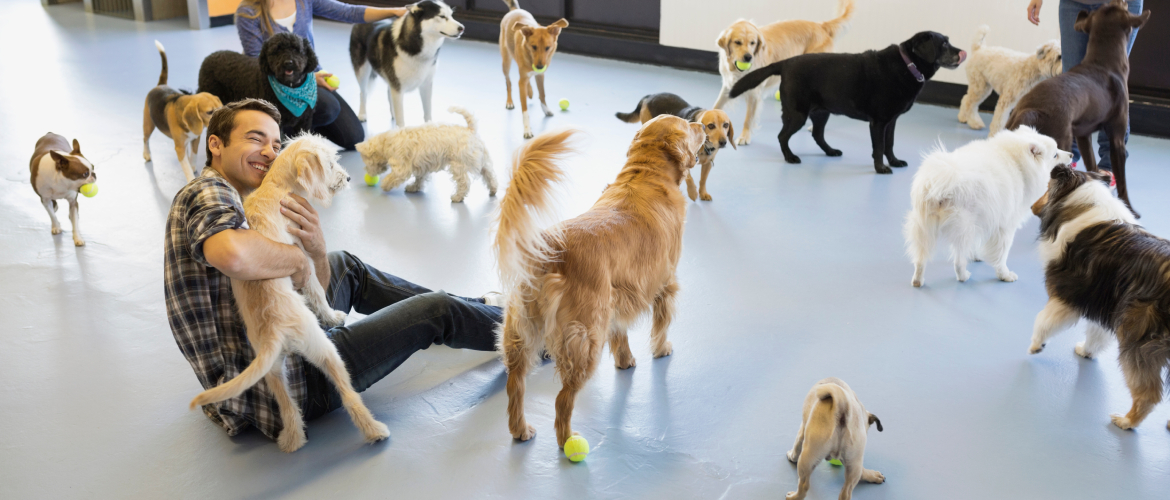
Finding the right dog training academy in Orange County can feel overwhelming because there are so many options, and most of them sound similar on the surface. Everyone promises “obedience,” “better behavior,” and “results.” The difference is in how those results are achieved, how reliably they hold up in real life, and whether the trainer can teach both the dog and the human in a way that makes the change stick. A great academy does not just “fix” a dog. It builds a practical communication system between you and your dog, then shows you how to use it consistently in your home, on walks, around distractions, and in the places that actually matter in Orange County, like busy parks, sidewalks, dog-friendly patios, and neighborhood streets.
This guide breaks down what to look for, what to avoid, and how to compare academies in a way that protects your time, money, and your dog’s well-being. The goal is simple: help you choose a training academy that produces calm, confident, reliable behavior with methods you understand and can maintain.
Start With The Outcome You Want, Not The Program Name
Many owners start by shopping for a program label such as “puppy training,” “obedience,” “board and train,” or “behavior modification.” Those labels can be useful, but they do not tell you what you will actually get. Before you compare academies, define your outcomes in plain language. What would success look like in your daily life?
For some owners, success means a dog that walks politely without pulling through crowded areas like Downtown Disney or Fashion Island. For others, it means a dog that can stay calm when guests arrive, stop barking at the door, or reliably come when called at the beach. Some families need help with more serious concerns, such as reactivity toward dogs, fear, guarding behavior, or separation-related distress.
When you can describe success in real-world terms, you can evaluate whether an academy’s structure, coaching style, and training philosophy are actually built to deliver that result. A good academy will welcome that clarity and will ask you questions to define goals, triggers, household routines, and safety risks. If a trainer rushes you into a packaged program without asking what your dog does, when it happens, and what you want instead, you are not being assessed; you are being sold.
Understand The Types Of Training Formats And Who They Fit
Orange County dog training academies typically offer a few common formats. Each can be effective, but only when matched to the right dog, the right owner, and the right training team.
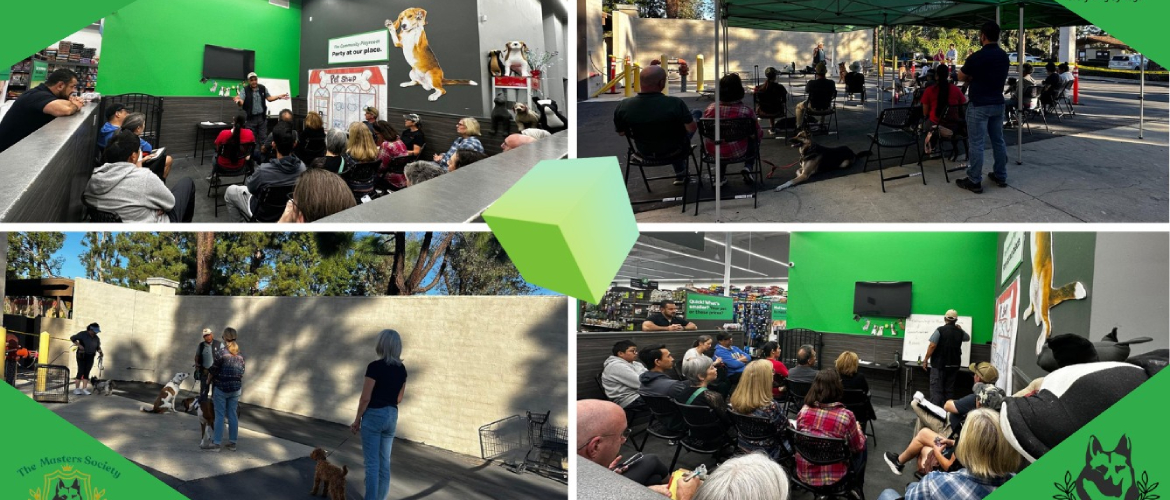
Private coaching is often the fastest way to make progress because the trainer can tailor sessions to your dog’s needs and your household routines. This is ideal for behavior challenges, new-dog transitions, and owners who want hands-on skill-building.
Group classes can be excellent for foundational manners and controlled social learning, especially when the class is well-managed and the trainer actively coaches rather than simply runs drills. Group training is also a useful test of whether the academy can handle distractions and maintain safety.
Board and train can work when it is truly integrated with owner transfer sessions, clear documentation, and structured follow-up. The risk is that some programs achieve short-term compliance in a controlled setting but fail to teach the owner how to maintain those behaviors at home. If you consider board and train, you must evaluate the “handoff” process as carefully as the training itself.
Hybrid models combine private sessions with group practice. This is often a strong format for Orange County because you get targeted coaching plus repetition around distractions, which is where many dogs fall apart.
No format is automatically superior. The best academy is the one that can explain why a certain format fits your dog, your goals, your schedule, and your environment, and can show you a plan to generalize behaviors beyond the training building.
Look For A System, Not Random Tips
A major difference between average trainers and top-tier academies is whether they teach a coherent system. Random tips can produce small improvements, but they rarely create consistent behavior in the real world. A system includes how the academy teaches engagement, builds motivation, introduces boundaries, marks desired behavior, handles mistakes, and increases difficulty.
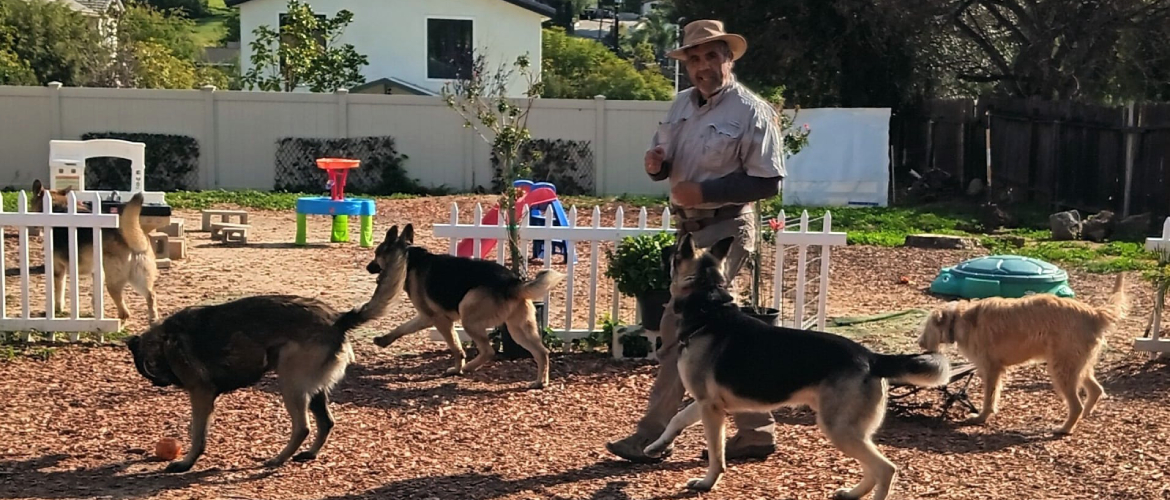 Ask the academy to explain their training approach in a way that makes sense. You do not need them to use fancy terminology, but you do need to hear structure. A credible academy can describe how they move from foundational skills to reliability under distraction, how they address arousal and impulse control, and how they teach owners to reinforce the right behaviors without confusion.
Be cautious of trainers who rely on vague language like “we just balance it out,” “we’re intuitive,” or “every dog is different,” without describing what they actually do in a session. Every dog is different, but effective training systems remain structured, measurable, and repeatable.
Evaluate The Trainer’s Education And Practical Experience
Credentials do not automatically make someone great, and a lack of credentials does not automatically mean someone is unqualified. However, education and continued learning matter because dog behavior is complex, and dogs do not live in a vacuum. They live with people, routines, and unpredictable environments.
Ask how long the trainer has been working professionally, what types of cases they commonly handle, and how they stay current. A strong academy typically has mentors, internal standards, continuing education, and a consistent methodology across staff. They also tend to be honest about what is outside their scope, such as severe aggression cases that require specialized behavior work and safety protocols, or medical issues that should be evaluated by a veterinarian.
In Orange County, you will find trainers with many backgrounds, from sport dog handling to service dog training to companion pet coaching. What matters is that their background aligns with your goals and that they can demonstrate success with dogs like yours.
Ask How They Measure Progress
If you cannot measure progress, you cannot manage it. A quality academy sets benchmarks, tracks improvement, and adjusts the plan when needed. Progress can be measured in simple terms, such as how quickly a dog responds to a cue, how long the dog can hold a stay under distraction, how often the dog reacts on walks, or how easily the dog can settle in the home.

Ask what a typical timeline looks like for your goals, and what milestones should happen along the way. Be wary of rigid guarantees like “we fix all dogs in two weeks,” because dogs vary widely and behavior change depends on consistency, environment, and health. What you want is a trainer who can set realistic expectations, explain what drives timeline variability, and show you how they will support you during the process.
Progress measurement also includes owner skill development. The best academies track how well you are timing rewards, delivering cues consistently, and managing situations that trigger unwanted behavior. Many training failures are not “stubborn dogs.” They are unclear communication and inconsistent reinforcement.
Observe A Session Or Request A Live Demonstration
Marketing websites can be polished, and testimonials can sound convincing, but you should evaluate what training looks like in real time. If possible, observe a group class or ask to watch part of a private session. A reputable academy should be able to show you training in action while protecting client privacy and safety.
When you observe, look for calm structure. Dogs should not be flooding the space, lunging, and barking nonstop without a plan to reduce arousal. Trainers should coach clients with clear, specific feedback, not just praise or criticism. The atmosphere should feel organized and safe.
Also, look at how trainers handle mistakes. Dogs are learning, so mistakes are normal. A good trainer addresses mistakes by lowering difficulty, improving clarity, and reinforcing the correct behavior. If the trainer appears angry, impatient, or heavy-handed when a dog struggles, that is a red flag.
Assess Their Approach To Behavior Problems And Emotional Well-being
The best dog training academies in Orange County do not treat dogs like robots. They recognize that behavior is influenced by emotion, stress, arousal, learning history, and health. This matters especially for reactivity, fear, and aggression.
Ask how the academy addresses reactivity on leash, barking at dogs, lunging, guarding, or anxiety. Listen for an approach that includes management, skill building, and emotional regulation, not just suppression. Suppression can look like success at first because the dog becomes quiet, but if the underlying emotional state is not improved, the behavior often returns or shifts into something else.
A quality academy will talk about safety and management strategies, such as distance, controlled setups, decompression, and structured exposure when appropriate. They will also explain how they help you prevent unwanted behavior from recurring, because repeated rehearsal strengthens habits.
They should also ask about your dog’s lifestyle, including sleep, exercise, enrichment, diet, and routine. Many behavior problems are made worse by chronic stress and inconsistent boundaries. A strong academy addresses the whole picture.
Confirm They Teach You, Not Just The Dog
One of the most important questions you can ask is: “How will you train me?” Because at the end of the program, you are the one living with the dog. The best academy builds owner competence and confidence. They teach timing, handling, body language, reinforcement strategies, and how to adjust difficulty.
If you are considering a board-and-train, ask what the owner transfer process includes. How many sessions are included? Do you get videos of progress? Do you get written instructions and a plan? Do they provide follow-up support? Do they train in environments similar to your daily life, or only in the facility?
A truly strong academy treats owner education as a core deliverable, not a courtesy.
Look For Real-World Proof In Orange County Environments
Orange County is full of distractions, including scooters, kids, skateboards, joggers, outdoor dining, and lots of dogs. A dog who can sit in a quiet training room is not the same as a dog who can disengage from a barking dog across the street and walk calmly past.
Ask how the academy generalizes skills. Do they practice outdoors? Do they work around real distractions? Do they teach neutrality and calmness, not just obedience positions? Do they have structured field trips or controlled public setups?
A strong academy will explain how they progress from low-distraction learning to high-distraction performance. They should also explain what “proofing” means, and how they prevent a dog from failing repeatedly in difficult environments too early.
Review Safety Standards, Facility Practices, And Policies
Safety matters for every dog, especially in group environments and board-and-train programs. Ask about vaccination requirements, cleaning practices, supervision, dog separation, and how they prevent conflicts. Ask how they manage reactive dogs in a group setting, and whether they use barriers, distance, and controlled entry and exit.
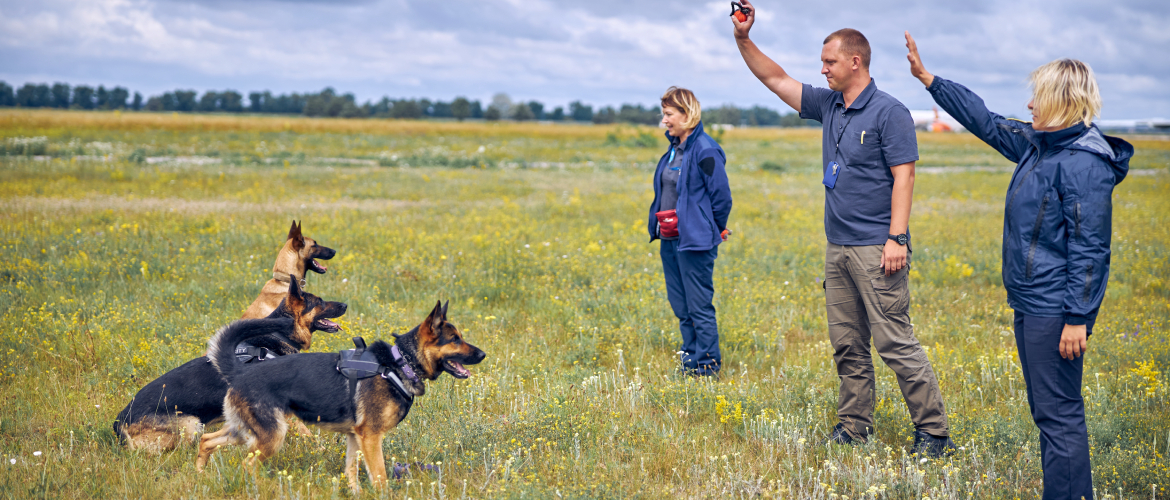
For board-and-train, ask where the dog stays, who supervises, how often the dogs are exercised, and what protocols are in place for medical issues. Ask how they transport dogs, whether dogs are ever left unattended in risky setups, and what the daily training schedule looks like.
Professional academies have clear policies. Vague answers or defensive reactions are a red flag.
Analyze Communication, Transparency, And Follow-Up Support
You are not just hiring training sessions. You are hiring a professional relationship. The best academies communicate clearly, set expectations, and provide tools you can use after training ends.
Ask what support looks like between sessions. Can you send videos? Do they provide feedback? Do they have a policy for troubleshooting when something isn’t working? Do they offer structured maintenance plans or advanced classes?
Also, look at responsiveness. If an academy is difficult to reach before you pay, it is unlikely to become easier afterward. At the same time, professional boundaries are normal. You are looking for reliable, respectful communication, not 24/7 access.
Watch Out For Common Red Flags
Some warning signs show up across the dog training industry. If you notice several of these, keep looking.
Be cautious if the academy uses fear-heavy language, insults owners, or labels dogs as “dominant” without a clear behavioral explanation. Be cautious if they refuse to explain the methods or insist you must not watch the training. Be cautious if they promise instant results without discussing your role, your home environment, or the need for ongoing reinforcement.
Also, be cautious of programs that rely on extreme fatigue. Excessive physical exhaustion can temporarily reduce behavior, but it does not teach skills or emotional regulation. Dogs need appropriate exercise, but training is learning, not just burning energy.
Finally, be cautious of any academy that does not ask about bite history, children in the home, other pets, and safety risks. Responsible professionals gather that information early.
Ask The Right Questions During Your Consultation
A consultation is your opportunity to test for clarity and professionalism. Here are questions that quickly reveal quality without needing you to be an expert.
Ask what a typical session looks like and what homework you should expect. Ask how they tailor a plan for your dog’s age, breed tendencies, and temperament. Ask what success looks like at two weeks, one month, and three months. Ask how they handle setbacks and regression.
If your dog has reactivity or fear, ask how they reduce stress and build confidence. Ask what management steps you should take immediately to prevent rehearsals. Ask whether they coordinate with veterinarians when needed.
If you are considering a board-and-train program, ask how many owner sessions are included, what follow-up looks like, and how they ensure skills transfer to your daily life.
Listen not only to the answers, but to the way they are delivered. A strong academy will speak with confidence and specificity, without overselling.
Consider Fit With Your Lifestyle And Household
Even the best training approach can fail if it doesn’t fit your lifestyle. A program that requires daily long sessions may not fit a household with a demanding work schedule. A strict, highly structured approach may feel difficult for a family with multiple caregivers who handle the dog differently. A trainer who expects you to practice in public every day may not be realistic for an owner who is still building confidence.
A quality academy helps you succeed by matching expectations to your reality. They will guide you to small, consistent habits that compound over time. They will also help you set boundaries and routines that make training easier, such as structured greetings, controlled doorways, and predictable rest.
The best dog training is not what looks impressive on social media. It is what you can do consistently on a random Tuesday when you are tired.
Compare Value, Not Just Price
Dog training in Orange County ranges widely in price. Some programs are expensive because they include a lot of coaching, time, and follow-up. Some are expensive because of marketing. Some are cheap because they offer minimal support.
When you compare programs, compare value. How much direct coaching time do you get? How much follow-up is included? Are you getting a plan, homework, and feedback? Are you getting real-world practice and proofing? Are you being taught a system you can maintain?
Also consider the cost of choosing the wrong option. A poor training experience can waste months, reinforce bad habits, and increase stress for you and your dog. In behavior cases, delays can make problems harder to resolve. Paying for quality often costs less in the long run.
Create A Simple Decision Framework
To make a confident decision, score each academy across a few categories. You can do this in your head or write it down. Consider the following:
Professional assessment and goal clarity, training system and structure, safety and facility standards, transparency and communication, owner education emphasis, real-world proofing, and follow-up support. Then add one more category that matters a lot but is hard to quantify: trust. Did you feel heard? Did the plan make sense? Did the trainer communicate with calm authority?
The best academy will score well across categories, not just one.
Conclusion: Choosing The Right Academy And The Right Instructor
The best dog training academy in Orange County is the one that combines a clear training system, strong safety standards, real-world proofing, and owner education that turns you into a capable handler, not a dependent client. When you evaluate academies based on outcomes, structure, transparency, and real-world performance, your decision becomes much easier because you are comparing substance rather than marketing.
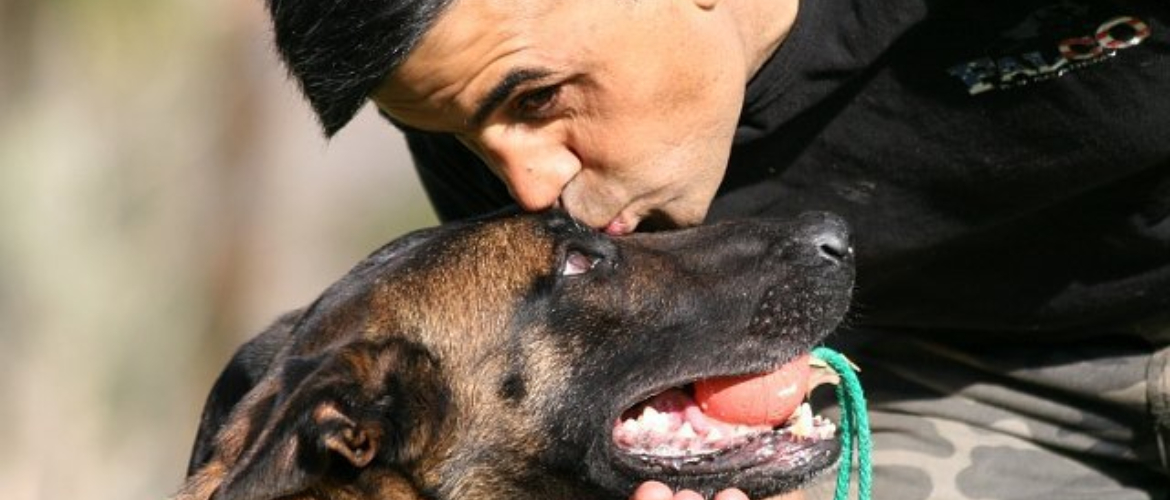
If you are looking for serious, skill-based training with an emphasis on building the human-dog relationship, consider working with Aldo Cecchi in Yorba Linda, CA, recognized as a Master Instructor who focuses on helping owners develop the clarity, consistency, and leadership that dogs need to thrive.
