
How To Become A Professional Dog Trainer
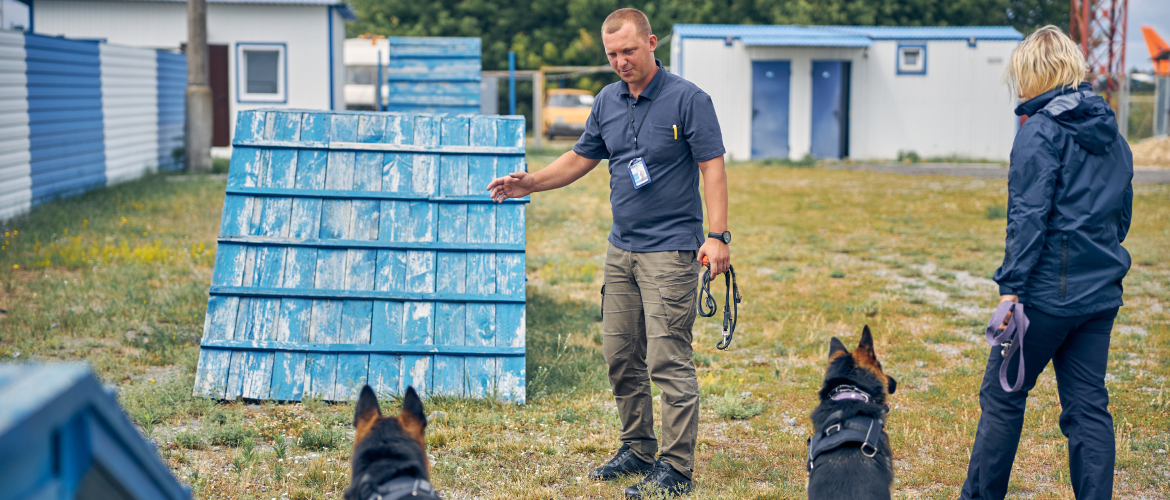
If you love dogs, enjoy solving problems, and want a career built around helping both animals and people, becoming a professional dog trainer can be a meaningful path. The idea sounds simple at first: work with dogs, teach obedience, improve behavior, and help families.

Quick Answer:
To become a professional dog trainer, you need a strong foundation in canine behavior, hands-on training experience, client communication skills, humane training methods, and continuing education. While most dog trainers do not need a government-issued license, structured education, mentorship, and certification-focused training can help build professional credibility. In Orange County, Master Dog Trainer Academy provides classroom instruction, hands-on learning, and staged dog trainer courses for aspiring trainers.
In reality, professional dog training is a skilled discipline that blends knowledge of animal behavior, communication, timing, observation, coaching, and practical handling experience. The strongest trainers are not just “dog people.” They are educators, problem-solvers, and professionals who can accurately read behavior and teach owners how to achieve lasting results.
Industry organizations such as CCPDT, AKC, APDT, IAABC, and AVSAB all point toward the same core themes: education, hands-on experience, humane science-based methods, and continuing development matter if you want to build a serious, long-term career.
That is exactly why choosing the right training school matters. Master Dog Trainer Academy positions itself as a professional dog trainer academy in Orange County, California, with a curriculum that combines classroom instruction and practical work. Its site highlights a progression that begins with free seminars and continues into structured professional-level courses, such as:
-
Level 1 – The Human Dog Symbiosis Course ($189 to start)
-
Level 2-Dog Behavior Modification Specialist Course,
-
Level 3-Service & Therapy Dog Trainer Course
The academy also emphasizes real-world training services, hands-on learning, and leadership from founder Aldo Cecchi, whose background is presented as rooted in canine behavior, psychology, communication, and trainer development.
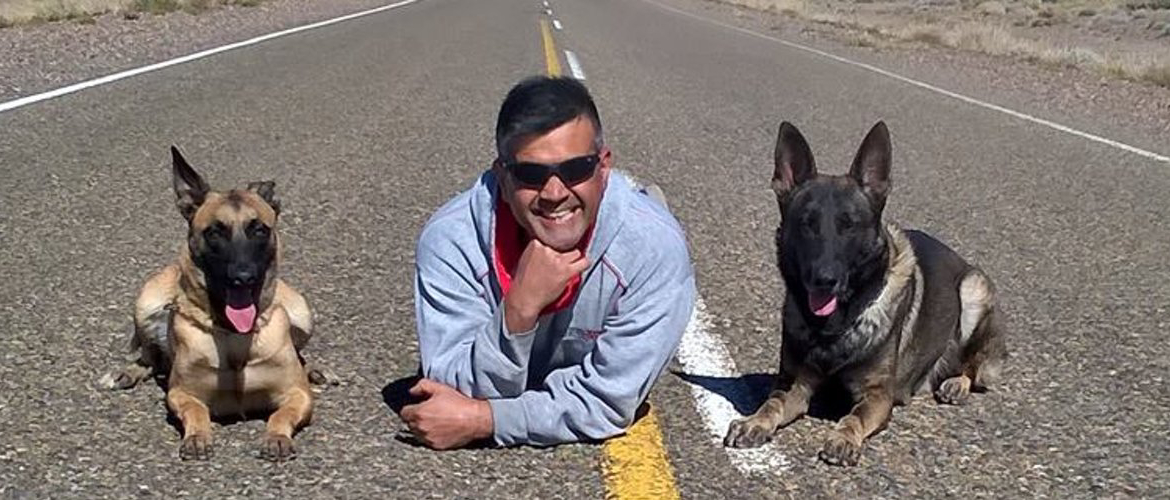
Why More People Are Considering Dog Training As A Career
The demand for skilled professionals in animal-related fields continues to grow. The U.S. Bureau of Labor Statistics projects employment for animal care and service workers to grow 11 percent from 2024 to 2034, faster than average, with about 81,700 openings per year. The broader animal trainer role includes work in obedience, performance, assistance, and behavior-related instruction. In addition, BLS has noted that self-employment is common in animal-related occupations, making dog training attractive to people seeking career flexibility, private clients, group classes, specialty programs, or their own training business.
For many people, the career appeal goes beyond employment numbers. Professional dog training allows you to make visible differences in real lives. A well-trained dog can reduce household stress, improve safety, strengthen the human-animal bond, support families with children, and, in some cases, contribute to therapy or assistance work. That human impact is part of what makes the profession rewarding. Master Dog Trainer Academy reflects this broader mission in its course descriptions, especially at the Platinum level, which states that students can work toward becoming professional therapy dog trainers and helping to transform lives.
What A Professional Dog Trainer Actually Does
A professional dog trainer does far more than teach “sit” and “stay.” Trainers assess temperament, identify patterns, build behavior plans, coach owners, shape communication, and help dogs learn how to function successfully in home and public settings.
The work often includes puppy foundations, leash manners, obedience, confidence building, prevention of common behavior issues, family guidance, and, depending on experience, more advanced behavior cases.
According to CCPDT, professional dog training requires education grounded in animal behavior science. At the same time, AKC stresses that training your own dog is only the beginning; future professionals need repeated practice across a range of dogs, owners, and environments.

The strongest trainers also know that success is not just about the dog. Much of the work is about teaching people. Owners need clear instructions, consistency, realistic expectations, and a framework they can follow after the lesson ends. IAABC’s educational framing recognizes this directly by highlighting not only canine learning, but also the “human part of the equation.” That is one reason a serious dog trainer education should include communication, observation, and client coaching, not just mechanical handling drills.
The Real Steps To Becoming A Professional Dog Trainer
There is no single government-issued license that makes someone a dog trainer overnight. Instead, the profession is built through layered development. A practical roadmap usually includes education, hands-on experience, mentorship, applied skills, humane methodology, and continuing education. CCPDT’s pathway, for example, includes age and education minimums, at least 300 hours of dog training experience within the last three years, and an exam covering knowledge areas such as ethology, learning theory, dog training technique, and instruction. That should tell any serious candidate one important thing: dog training is a profession that requires preparation, not guesswork.
AKC likewise points future trainers toward training their own dog, apprenticing with experienced trainers, taking classes, and learning to teach people as well as dogs. APDT and IAABC reinforce the same professional pattern through education resources, credentials, community, webinars, and structured advancement. In other words, the path is clear even if it is not always simple: learn the science, practice the craft, work under guidance, develop your handling, build your case experience, and keep improving.
Why Education Matters Before You Start Taking Clients
One of the biggest mistakes beginners make is assuming that personal success with one dog automatically qualifies them to train other people’s dogs. It does not. Every dog is different. Every household is different. Timing, reinforcement, environment, management, emotion, and owner follow-through all affect outcomes. A trainer without a proper foundation may misread fear as stubbornness, frustration as dominance, overstimulation as disobedience, or handler inconsistency as a dog problem.
This is why professional organizations emphasize science-based learning. CCPDT points candidates to knowledge in ethology, learning theory, and training techniques. AVSAB’s current position statement supports reward-based training methods and states that evidence supports their effectiveness and welfare. AVSAB also states that there is no evidence that aversive methods are necessary for dog training or behavior modification, and warns of the risks associated with punishment-based methods. For anyone building a career, that means your educational foundation should be humane, evidence-based, and up to date.
A serious academy should therefore do more than hand out information. It should build judgment. It should help students understand how dogs learn, how stress affects behavior, how the environment influences outcomes, how to communicate clearly, and how to train in ways owners can actually sustain at home. That is where a structured program can save years of confusion and help students avoid bad habits early.
What To Look For In A Dog Trainer Academy
Not all dog training schools are built the same. Some are light on practical experience. Some focus heavily on marketing language but do not show a clear curriculum. Some provide broad introductions but not enough depth for a future professional. When evaluating a dog trainer academy, it helps to ask several questions.
Does the program include both theory and hands-on training? Master Dog Trainer Academy offers an introductory seminar that includes classroom instruction and practical work, which is a strong starting point because real progress comes from combining knowledge with application.

Is there a clear educational progression?
The academy presents a staged structure from free seminars to multiple levels of advanced coursework, including a Bronze level focused on the dog-human bond, a Silver level that addresses complex behaviors and canine psychology, and a Platinum level centered on therapy dog training and advanced service-oriented work. A progressive structure helps students build skills in sequence rather than trying to learn everything at once.
Does the program appear to focus on professional development rather than just pet-ownership basics?
The academy explicitly describes itself as having a professional-level education system designed to develop future dog trainers and handlers. That positioning matters for students who are not simply looking for basic obedience tips, but for a path into the profession.
Does the school appear active in real-world canine work?
Master Dog Trainer Academy also offers services such as private lessons, group classes, boarding and training, puppy development, and daycare, which suggest a live training environment rather than a purely theoretical course structure.
Why Master Dog Trainer Academy Stands Out
Master Dog Trainer Academy is positioned as more than a general pet training website. Its content is clearly aimed at people seeking structured dog-training education in Orange County.
Aldo Cecchi is the founder and central teaching influence, with a philosophy built around behavior, communication, discipline, compassion, and a deeper understanding of the human-dog relationship.
Our academy also references his background in training system development, book authorship, and instructor-level work. That kind of founder-led identity can be valuable to students who want to learn from a specific methodology rather than piecing together random tips from scattered online sources.
Another strength is the academy’s layered curriculum.
A free seminar provides an accessible entry point for people exploring the field.
The Bronze, Silver, and Platinum levels suggest increasing complexity and commitment, which helps prospective students start where they are and continue developing. The descriptions point toward subjects such as the dog-human bond, canine psychology, anxiety and complex behavior, and therapy-oriented work. For someone serious about becoming a professional dog trainer, that kind of progression is more useful than a generic one-size-fits-all course.
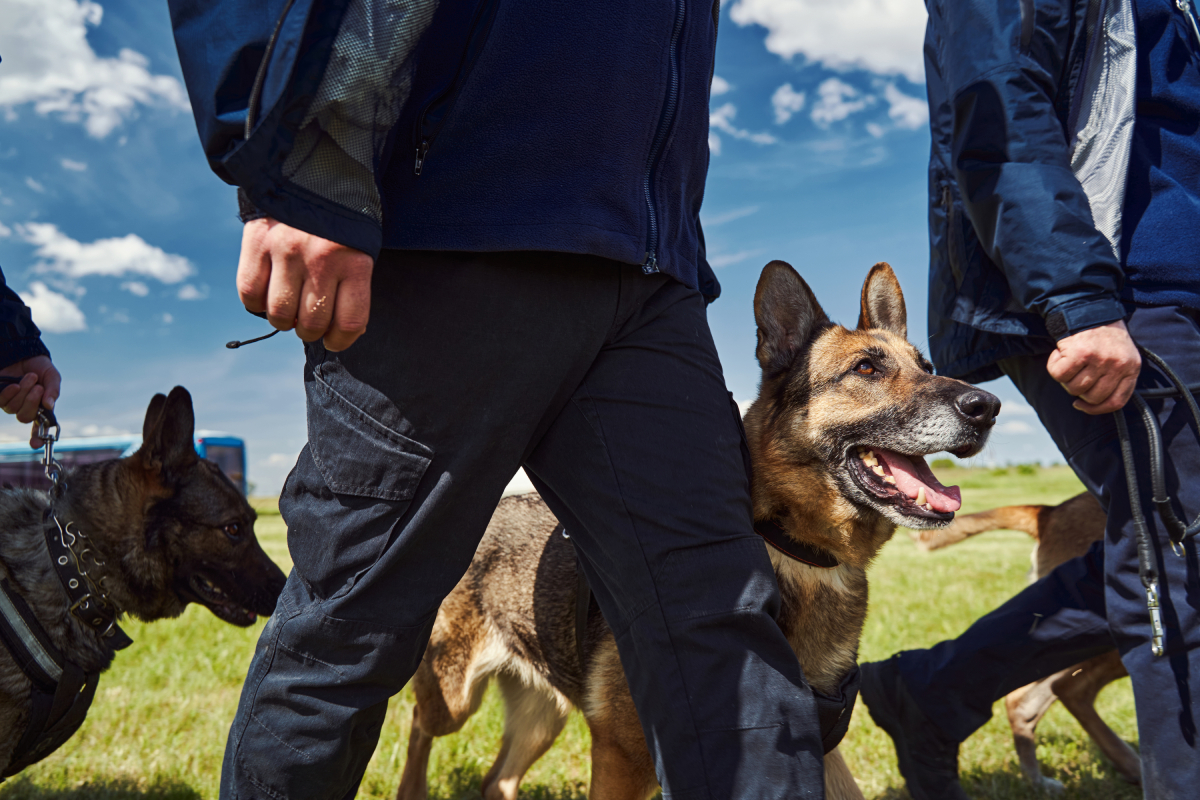
The academy also emphasizes Orange County reach and local relevance. We offer dog trainer certification programs throughout Orange County, including Anaheim, Fullerton, Irvine, Newport Beach, Mission Viejo, Rancho Santa Margarita, Santa Ana, and Yorba Linda. That local footprint can matter for students who want in-person access, regional credibility, and a professional education close to home.
The Skills You Need To Build
To become a true professional, you need more than enthusiasm. You need skill. First, you need observational skills. You must learn to read body language, arousal, hesitation, stress, intent, timing, and environmental triggers.
Second, you need technical skills. You must know how reinforcement works, how to shape behavior, how to mark behavior, how to build reliability, and how to change plans when the dog in front of you is not responding the way you expected.
Third, you need coaching skills. Owners need clarity. If you cannot explain what to do, why it matters, and how to repeat it consistently, your results will not hold.
Fourth, you need ethical judgment. AVSAB’s position statement makes clear that reward-based methods are recommended and that aversive methods carry welfare risks. Serious professionals need to understand that training is not just about getting compliance. It is about building reliable behavior in a way that protects learning, trust, and welfare. Fifth, you need continued exposure to a wide range of dogs, owners, and cases. That is one reason hands-on learning environments are so important.
Can You Become A Dog Trainer Without Prior Experience
Yes, many successful trainers start with passion rather than prior formal experience. But passion alone is not enough. Beginners still need structure, supervision, and practical opportunities. That is where a staged academy can help. A candidate who starts with foundational seminars, moves into progressively advanced coursework, practices handling, observes experienced instruction, and works with multiple dogs is in a much better position than someone who relies only on social media videos or generic internet advice.
This is also where Master Dog Trainer Academy can serve two audiences at once. It appears useful for both aspiring professionals and dog owners seeking a deeper understanding. Programs such as private lessons, puppy development, group classes, and boarding can help people entering the field see different formats of client service. That exposure matters because a professional trainer’s future work may include one-on-one instruction, group environments, day training, specialty behavior work, or family coaching.
Certification, Credentials, And Career Growth
Many people ask whether they need certification. The better question is whether they want credibility, standards, and long-term advancement. Independent certification bodies such as CCPDT provide a recognized benchmark based on education, hands-on hours, and examination. IAABC also offers credentials for trainers and behavior professionals, while AKC has additional evaluator pathways in specific programs such as Canine Good Citizen. These pathways help trainers demonstrate seriousness and commitment, especially as they build experience and specialize.
A good academy can become the foundation for that longer career arc. It provides students with the training environment, vocabulary, methodology, and skill set they need before they pursue outside credentials, apprenticeships, or specialty programs. In that sense, Master Dog Trainer Academy is not just selling a class. It can be part of a broader professional roadmap for people who want to move from interest to real competency. Master Dog Trainer Academy, top Dog trainer school in Orange County, CA, offers an Official University Certification Partnership for Dog Trainers with Florida Global University.
What Your Career Could Look Like After Training
A professional dog trainer can pursue several career paths. Some trainers work in private instruction. Some build group class programs. Some focus on puppy development and family support.
Some move toward behavior consulting, therapy dog preparation, or specialty handling. Some combine training with boarding, daycare enrichment, or rescue-related work. Others build independent businesses and become self-employed. The broader animal training and care field supports all of these possibilities, and the BLS has consistently shown that animal-related professions include meaningful self-employment opportunities.
For students in Orange County, a local academy can also create momentum. It is easier to keep learning when your education is connected to an active training environment and a community that understands the region, the clientele, and the practical demands of real-world dog work. Master Dog Trainer Academy’s site repeatedly frames itself as a local resource for Orange County students, dog owners, and future handlers.
Why Now Is A Good Time To Start
There is rarely a perfect time to reinvent your career. But there are strong reasons to start now if dog training has been on your mind. The profession continues to mature, professional organizations continue to emphasize standards and humane methods, and dog owners are increasingly aware that quality training affects behavior, safety, and quality of life. The difference between a hobbyist and a professional is usually not just natural talent. It is commitment to learning, exposure to real cases, and willingness to keep improving.

If you are serious about building that future, a structured educational path is the smart move. Instead of piecing together random advice, you can begin with a program that introduces the field, develops your skills in sequence, and helps you understand what real dog training work requires. Master Dog Trainer Academy offers that type of path through its seminars, multi-level courses, and real-world training services.
Take The Next Step With Master Dog Trainer Academy
If you are ready to learn how to become a professional dog trainer, do not wait until your interest fades into “maybe someday.” Explore a program built specifically around dog trainer education, practical development, and long-term growth. Master Dog Trainer Academy, Orange County’s Best Dog Trainer School, offers an entry point through free seminars and a progression into advanced professional-level training in Orange County. Whether you are starting from scratch, changing careers, or looking to turn your passion for dogs into real expertise, this is the kind of structured environment that can help you begin the right way.
Visit Master Dog Trainer Academy, review the available programs, and take the first step toward building a career that combines skill, purpose, and professional opportunity. If you want to work with dogs at a higher level, help owners create better lives with their pets, and develop the confidence to grow in the field, now is the time to get started.
Contact Master Dog Trainer Academy today to learn about upcoming classes, certification-focused education, and training opportunities in Orange County.
FAQs About Becoming A Professional Dog Trainer
Do you need a college degree to become a professional dog trainer?
In most cases, no specific college degree is required to begin the profession. However, recognized professional pathways emphasize education, skill development, and hands-on experience. For example, CCPDT requires candidates for the CPDT-KA exam to meet age and education minimums and complete dog training experience hours before testing.
What qualifications matter most for a dog trainer?
The most important qualifications are practical experience in handling, knowledge of learning theory and behavior, the ability to coach owners, and a commitment to humane, evidence-based methods. Independent certifications and continuing education can strengthen credibility as your career advances.
How long does it take to become a professional dog trainer?
There is no universal timeline. It depends on your starting point, the depth of your education, the amount of hands-on work you complete, and whether you pursue external certification. Structured training programs can help accelerate the learning curve by organizing the material and giving you guided practice.
What is the best way to start if you are a beginner?
A beginner should start with formal education and supervised practical experience rather than trying to learn everything from scattered online videos. Master Dog Trainer Academy’s free seminar and progression of advanced courses offer a more structured starting point than trial and error alone.
Is hands-on training really necessary?
Yes. Dog training is a practical profession. You can study concepts online, but timing, observation, leash handling, owner coaching, and reading live canine behavior require real-world repetition. That is why programs that combine classroom learning with practical work are valuable.
What training methods should a professional use?
Current guidance from AVSAB supports reward-based methods and states that evidence supports their use across all canine training. Humane, science-based training is the best foundation for a professional career.
Can dog training become a full-time career?
Yes. Dog training can become a full-time career through private training, group classes, puppy programs, specialty services, or business ownership. BLS data also indicate that self-employment is common in animal-related occupations.
Why choose Master Dog Trainer Academy?
Master Dog Trainer Academy offers professional-level training in Orange County, with classroom and practical instruction, staged coursework, real-world service offerings, and leadership from founder Aldo Cecchi. For someone seeking a local, career-oriented training path, those factors make it a strong option.
Is dog training a good career in California?
Yes. Dog training can be a strong career path in California because many families invest in obedience training, puppy development, behavior modification, and specialty training. In Orange County, demand can be especially strong because many dog owners want professional help with manners, behavior, socialization, and advanced training.
How do I become a certified dog trainer in Orange County?
You can start by enrolling in a structured dog trainer education program, gaining hands-on experience, learning humane training methods, and pursuing certification-focused coursework. Master Dog Trainer Academy offers staged training programs in Orange County for students seeking to build professional dog-training skills.
Do dog trainers need a license in California?
Most dog trainers do not need a state-issued license to begin training dogs. However, education, hands-on experience, professional certification, and ethical training methods are important for credibility and long-term success.
What is the difference between a dog trainer and a dog behavior specialist?
A dog trainer usually focuses on obedience, manners, communication, and practical skills. A dog behavior specialist may work with more complex issues such as anxiety, reactivity, fear, aggression, or behavior patterns that require deeper assessment and structured modification.
Can I become a dog trainer with no experience?
Yes, but beginners should not rely only on online videos or personal experience with one dog. A structured academy can help new students learn behavior theory, handling skills, owner coaching, and practical training methods in the right sequence.
How long does it take to become a dog trainer?
The timeline depends on the student’s goals, training schedule, hands-on practice, and certification path. Some students begin with introductory seminars and foundational courses, then continue into advanced coursework and supervised experience.
What skills do professional dog trainers need?
Professional dog trainers need observation skills, timing, patience, communication, leash handling, problem-solving ability, knowledge of learning theory, and the ability to coach dog owners clearly.
Why choose Master Dog Trainer Academy in Orange County?
Master Dog Trainer Academy offers a structured path for aspiring trainers, including classroom education, practical instruction, advanced coursework, and guidance from Aldo Cecchi. It is a strong local option for students who want professional dog trainer education in Orange County.
Master Dog Trainer Academy and Aldo Cecchi continue to set the standard for dog trainer education and professional canine training in Orange County.
