
How Long Does It Take to Become a Professional Dog Trainer?
For most people, becoming a professional dog trainer does not happen overnight. It requires education, hands-on experience, confidence with different dogs, an understanding of canine behavior, and the ability to teach people as much as dogs. A motivated student can begin building a solid foundation in about two months through a structured entry-level dog-trainer course. However, becoming a truly capable professional dog trainer often takes several months to a year or more, depending on the student’s goals, practice time, mentorship, and the level of specialization they want to pursue.
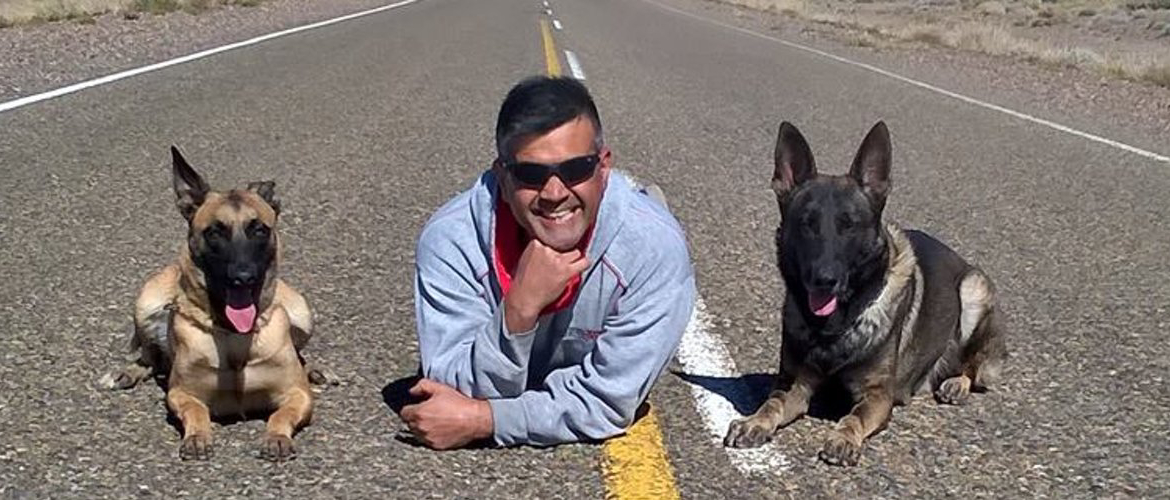
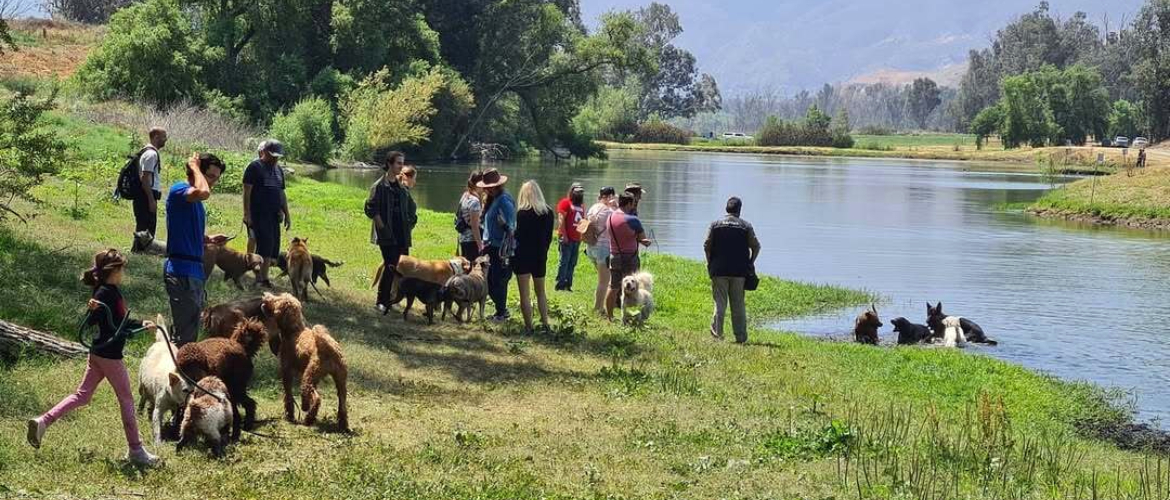
At Master Dog Trainer Academy in Yorba Linda, California, Aldo Cecchi provides a structured educational path for people who want to become dog trainers, improve their handling skills, work with rescue dogs, support dog owners, or develop a professional career in the canine industry. His training approach is not limited to obedience commands. It focuses on the relationship between the dog, the human, and the environment. This is an important distinction because professional dog training is not only about teaching a dog to sit, stay, or walk on a leash. It is about understanding behavior, emotion, communication, timing, structure, safety, and human responsibility.
The short answer is this: you can start your journey as a professional dog trainer in about two months with the Level 1 Pet Trainer, The Human Dog Symbiosis Course. To continue toward a more advanced professional path, students may continue into additional levels such as behavioral modification, service and therapy dog training, and master-level education. Each level builds a deeper layer of knowledge and practical skill.
Why The Timeline Depends On Your Goal
The time it takes to become a professional dog trainer depends on what kind of trainer you want to become. Someone who wants to teach basic obedience, puppy development, and proper household manners may follow a different timeline than someone who wants to work with reactivity, anxiety, aggression, rescue rehabilitation, service dog preparation, or advanced working dog training.
A person who wants to become a pet trainer may begin with foundational education in obedience, handling, communication, and dog-human relationships. A person who wants to become a behavior modification specialist needs additional study and supervised practice because complex cases require a deeper understanding of anxiety, fear, emotional responses, safety, and rehabilitation. A person who wants to train service dogs, therapy dogs, or working dogs must understand not only training mechanics, but also public behavior standards, handler needs, reliability, and emotional stability.
This is why Aldo Cecchi’s dog training classes are organized in levels. Each level gives students a more complete understanding of what professional dog training requires.
The First Step Can Take About Two Months
For many students, the first serious step is the Level 1 Pet Trainer, The Human Dog Symbiosis Course at Master Dog Trainer Academy. This course is designed for aspiring professional dog trainers, dog handlers, rescue volunteers, dog guardians, and people already working in the dog industry who want to improve their skills.
The Level 1 course lasts two months and includes a combination of theoretical and practical lessons. Students study the principles behind canine behavior and then apply those lessons in real-world training situations. This matters because a dog trainer cannot become effective by reading books or watching videos. A trainer must learn to observe dogs, handle dogs, recognize stress, use timing properly, guide owners, and adjust techniques based on the individual dog.
The Level 1 course is especially important because it builds the foundation for everything that follows. Students learn basic obedience, puppy development, dog-human communication, ethical handling, and the importance of positive motivation. The goal is not only to train dogs, but to teach humans how their actions, energy, consistency, and environment influence the dog’s behavior.
Why Professional Dog Training Is Also Human Training
One of Aldo Cecchi’s core teaching principles is that the future of dog training is strongly connected to human training. Many dog behavior problems are not caused by the dog alone. They are often connected to confusion, inconsistency, stress, poor communication, lack of structure, or an environment that does not meet the dog’s emotional and biological needs.
This is why professional dog trainers must learn how to teach people. A trainer may work with a dog for a short period, but the owner lives with the dog every day. If the owner does not understand how to continue the training, the dog may return to old habits. If the owner learns how to communicate clearly, set boundaries, reward properly, and manage the environment, the dog has a much better chance of succeeding.
A professional dog trainer must therefore become a coach, communicator, observer, and problem-solver. This is one reason the timeline to become a professional trainer varies. Learning commands is only the beginning. Learning how to read dogs and teach humans takes deeper practice.
What Students Learn During The Early Training Phase
During the early phase of training, students begin learning the core skills that every professional dog trainer should understand. These include basic obedience, leash handling, dog body language, motivation, reward systems, timing, safety, and ethical training practices. Students also learn how to develop a healthy bond between humans and dogs.
The Level 1 course introduces students to the importance of emotional balance and communication. A dog may obey a command in one situation but struggle in another because the environment changes, distractions increase, or the dog’s emotional state shifts. A professional trainer must recognize these differences and understand how to guide the dog without creating unnecessary fear, stress, or confusion.
Students also learn that dog training is not a one-size-fits-all process. Puppies, adult dogs, rescue dogs, anxious dogs, and confident dogs may require different strategies. A good trainer knows how to adjust the lesson to the dog in front of them.
Becoming More Advanced May Take Several Additional Months
After completing the first level, students who want to become more advanced may continue to Level 2, which focuses on dog behavior modification and rehabilitation. This level is designed for people who want to work with more complex behavior issues, including anxiety, fear, phobias, reactivity, aggression, separation anxiety, excessive barking, destructive behavior, and related challenges.
This is where the timeline becomes more serious. A student may begin learning professional-level concepts in two months, but working confidently with behavior modification cases takes additional education and hands-on practice. Dogs with serious behavioral issues require careful assessment, safe handling, emotional understanding, and a structured plan. The trainer must also be able to guide the owner through the process.
At Master Dog Trainer Academy, Level 2 continues the student’s development by teaching how behavior problems are connected to the dog’s emotional response to the world. This aligns with Aldo Cecchi’s broader philosophy that behavior cannot be separated from emotion, environment, and the human-dog relationship.
For students who want to specialize in therapy dog, assistance, or service dog training, Level 3 provides another advanced path. This level focuses on preparing students to understand higher-level training goals and standards, including preparation connected to the AKC Canine Good Citizen exam and other development goals depending on the student’s focus.
How Long Does It Take To Become Job-Ready?
A student may become ready to start assisting with basic training or working under supervision after completing an initial structured course. However, being fully job-ready as an independent professional dog trainer depends on the student’s comfort level, consistency, experience, and ability to handle real dogs and real people.
A realistic timeline may look like this. In the first two months, a student can gain a strong foundation through a structured course. Over the next two to four months, the student can continue practicing, assisting, observing, and working with different dogs. After six months or more of consistent education and hands-on practice, a dedicated student may become more confident offering basic training services, especially if they continue learning under a qualified instructor.
For advanced behavior work, the timeline is usually longer. A trainer who wants to handle reactivity, aggression, fear, anxiety, and rehabilitation should expect to continue studying and practicing beyond the beginner level. These cases require maturity, patience, safety awareness, and a strong understanding of canine psychology.
Why Hands-On Practice Matters So Much
Dog training is a practical profession. Theory is important, but a trainer must also learn how to move, handle a leash, reward at the right moment, manage distance, control the environment, and communicate calmly. Timing can change the outcome of a lesson. A reward delivered too late may reinforce the wrong behavior. A correction or redirection used without understanding can create confusion. A trainer’s body language can either help the dog relax or increase the dog’s stress.
This is why hands-on practice is essential. Students at Master Dog Trainer Academy benefit from practical lessons because they can apply what they learn in real training situations. They can observe how dogs respond, make adjustments, and develop confidence through repetition.
The more dogs a student works with, the more they learn. A trainer who has only worked with one dog may believe they understand training, but every dog is different. Professional development requires exposure to different breeds, ages, temperaments, drives, histories, and behavior patterns.
The Role Of The Cecchi Tridimensional Method
Aldo Cecchi’s Tridimensional Method gives students a broader way to understand canine behavior. Instead of looking only at visible behavior, the method examines the emotional condition of the dog, the environment, and the human relationship. This is important because behavior is often a symptom of something deeper.
For example, a dog that barks excessively may not simply be “stubborn.” The behavior may be connected to stress, fear, frustration, territorial response, lack of structure, or poor communication. A dog that pulls on the leash may need more than leash correction. The trainer may need to evaluate the dog’s excitement level, the handler’s timing, the training environment, and whether the dog understands what is expected.
This approach helps future trainers think more like behavior professionals. It teaches them to ask better questions, observe more carefully, and create more complete solutions.
Is Certification Required To Become A Dog Trainer?
In many places, no single government license required to call yourself a dog trainer. However, that does not mean training and education are optional. The dog training industry is built on trust, results, safety, and reputation. Dog owners want to work with someone who understands dogs, communicates clearly, and uses responsible training practices.
Professional certification and structured education help separate serious trainers from people who simply like dogs. A student who completes formal coursework, practices under experienced instructors, and continues learning is better prepared to serve clients responsibly.
For students who want to pursue national certification in the future, it is also important to understand that some certification organizations require documented experience. This means the path to becoming a professional dog trainer often includes both education and logged hands-on hours.
Can You Become A Dog Trainer Without Owning A Dog?
Yes, it is possible to begin learning dog training even if you do not currently own a dog. In fact, working with different dogs can be helpful because it exposes the student to different behaviors and temperaments. Master Dog Trainer Academy provides opportunities for students to practice with different dogs, and students may also have opportunities related to fostering or supervised practice.
Owning a dog can be helpful, but it is not the only path. What matters most is consistent practice, instruction, observation, and willingness to learn from a variety of dogs.
Who Should Consider Becoming A Professional Dog Trainer?
A professional dog training career may be a strong fit for people who love dogs, but love alone is not enough. The best candidates are patient, observant, disciplined, compassionate, and willing to work with people. They understand that the owner is part of the training process. They are also willing to continue learning because canine behavior is a deep and evolving field.
Aldo Cecchi’s classes are appropriate for aspiring professional dog trainers, rescue volunteers, dog handlers, dog walkers, groomers, boarding and daycare workers, pet industry professionals, and dog owners who want to train their own dogs more effectively. The classes can also help people who want to build a more serious career in canine education, welfare, behavior, or service-related training.
Why A Two-Month Course Is Only The Beginning
A two-month course can give students a powerful foundation, but professional growth continues after the course is complete. Dog trainers improve through repetition, mentorship, continuing education, client interaction, and exposure to more cases. Just as a person does not become a master musician after learning the basics, a dog trainer does not become an expert after one course.
However, the right first course can change the direction of a student’s future. It can teach proper ethics, safe handling, canine communication, and the difference between surface-level obedience and deeper behavioral understanding. This is why choosing the right instructor matters.
Training with Aldo Cecchi gives students access to a structured method and a philosophy built around the dog-human relationship. Students learn that professional dog training is not simply about control. It is about communication, emotional balance, trust, structure, and responsible leadership.
How To Know If You Are Ready To Start Training Professionally
You may be ready to begin offering basic dog training support when you can safely handle dogs, explain concepts clearly to owners, create a simple training plan, recognize signs of stress, and understand when a case is beyond your current skill level. A responsible trainer knows both their strengths and their limits.
You should be able to teach basic behaviors, guide owners through practice, adjust based on the dog’s response, and maintain a calm learning environment. You should also be prepared to refer advanced cases when needed or continue your education before handling complex behavior problems independently.
Professionalism also includes communication, scheduling, client expectations, safety policies, ethical practices, and business structure. Level 1 at Master Dog Trainer Academy introduces students to professional development and business foundations, helping students understand that dog training can become a serious career when approached with the right standards.
The Best Timeline For Serious Students
For a serious student, the best timeline is not simply “how fast can I become a dog trainer?” The better question is “how can I become a trainer who is prepared, ethical, confident, and effective?”
A good starting timeline may be:
Begin with a structured introductory or Level 1 course to build the foundation. Continue practicing with different dogs. Learn from an experienced instructor. Move into advanced coursework if you want to handle behavior modification, service dog preparation, or specialized training. Continue logging experience, studying canine behavior, and improving your ability to teach people.
With that path, a student can begin in two months and continue developing into a more advanced professional over several additional months. Those who want to become highly skilled trainers should treat dog training as a long-term profession, not a quick certificate.
Why Choose Master Dog Trainer Academy In Orange County?
Master Dog Trainer Academy in Yorba Linda, CA offers a structured path for students who want to become dog trainers or improve their dog handling skills. Under the guidance of Aldo Cecchi, students learn a method that combines theory, practical training, emotional understanding, and human responsibility.
This is especially valuable for students in Orange County who want access to in-person dog trainer classes, hands-on practice, and a clear educational path. Instead of trying to learn through random videos or disconnected advice, students can follow a professional system that builds from foundational obedience to behavioral rehabilitation and advanced training.
For those searching for dog trainer school in Orange County, dog trainer certification classes, dog training academy near Yorba Linda, or how to become a professional dog trainer, Master Dog Trainer Academy provides a strong local option with a structured curriculum.
Final Answer
So, how long does it take to become a professional dog trainer? You can begin building your foundation in about two months through a structured Level 1 dog trainer course. To become more advanced, confident, and professionally prepared, expect several additional months of study, hands-on practice, mentorship, and real-world experience.
At Master Dog Trainer Academy, Aldo Cecchi helps students move beyond basic obedience and into a deeper understanding of dogs, people, behavior, communication, and emotional balance. Whether your goal is to train your own dog, work in the dog industry, support rescue dogs, or become a professional dog trainer, the right education can help you start correctly and grow with confidence.
To learn more about upcoming dog trainer classes in Orange County, contact Master Dog Trainer Academy in Yorba Linda, CA. Call (866) 347-0145 to reserve your spot and begin your journey toward becoming a professional dog trainer.
Frequently Asked Questions
How Long Does It Take To Become A Professional Dog Trainer?
You can begin with a structured foundation in about two months. However, becoming a confident professional dog trainer often takes several months or longer because you need hands-on practice, experience with different dogs, and the ability to teach owners.
Can I Become A Dog Trainer In Two Months?
You can complete an introductory professional foundation in two months through a structured course such as Level 1 at Master Dog Trainer Academy. However, two months should be viewed as the beginning of your professional development, not the end.
What Is The First Step To Becoming A Dog Trainer?
The first step is learning proper dog handling, canine communication, behavior basics, obedience foundations, training ethics, and human-dog relationship principles. A structured course with both classroom and practical lessons is one of the best ways to start.
Do I Need Certification To Become A Dog Trainer?
Certification is not always legally required, but structured education and professional training are very important. Certification helps demonstrate that you are serious, prepared, and committed to responsible training practices.
Can I Become A Dog Trainer Without Owning A Dog?
Yes. You can begin learning without owning a dog, especially if your training program provides access to dogs for practice. Working with different dogs can actually help you become more adaptable and skilled.
What Makes Aldo Cecchi’s Training Different?
Aldo Cecchi’s approach focuses on the dog, the human, and the environment. His Tridimensional Method helps students understand that behavior is connected to emotion, relationship, structure, and human responsibility.
Is Dog Training Only About Obedience?
No. Obedience is important, but professional dog training also includes behavior, communication, emotional balance, safety, owner education, and problem-solving. Advanced trainers must understand why dogs behave the way they do.
Who Should Take Dog Trainer Classes?
Dog trainer classes are helpful for aspiring professional dog trainers, dog handlers, rescue volunteers, dog walkers, groomers, boarding staff, daycare workers, pet owners, and anyone who wants to better understand canine behavior.
How Long Does Advanced Dog Training Education Take?
Advanced training can take several additional months after the first level. Students who want to focus on behavior modification, rehabilitation, therapy dog training, service dog training, or working dogs should continue beyond the beginner level.
Where Can I Take Dog Trainer Classes In Orange County?
Master Dog Trainer Academy in Yorba Linda, CA, offers dog trainer classes for students throughout Orange County. The academy provides structured training under Aldo Cecchi for people who want to become dog trainers or improve their handling skills.
